


The Real Difference Between Slot Spinners and Poker Grinders
Put a slot player and a poker player at the same table and you'll quickly notice something odd: they're both gambling, but they're barely speaking the same
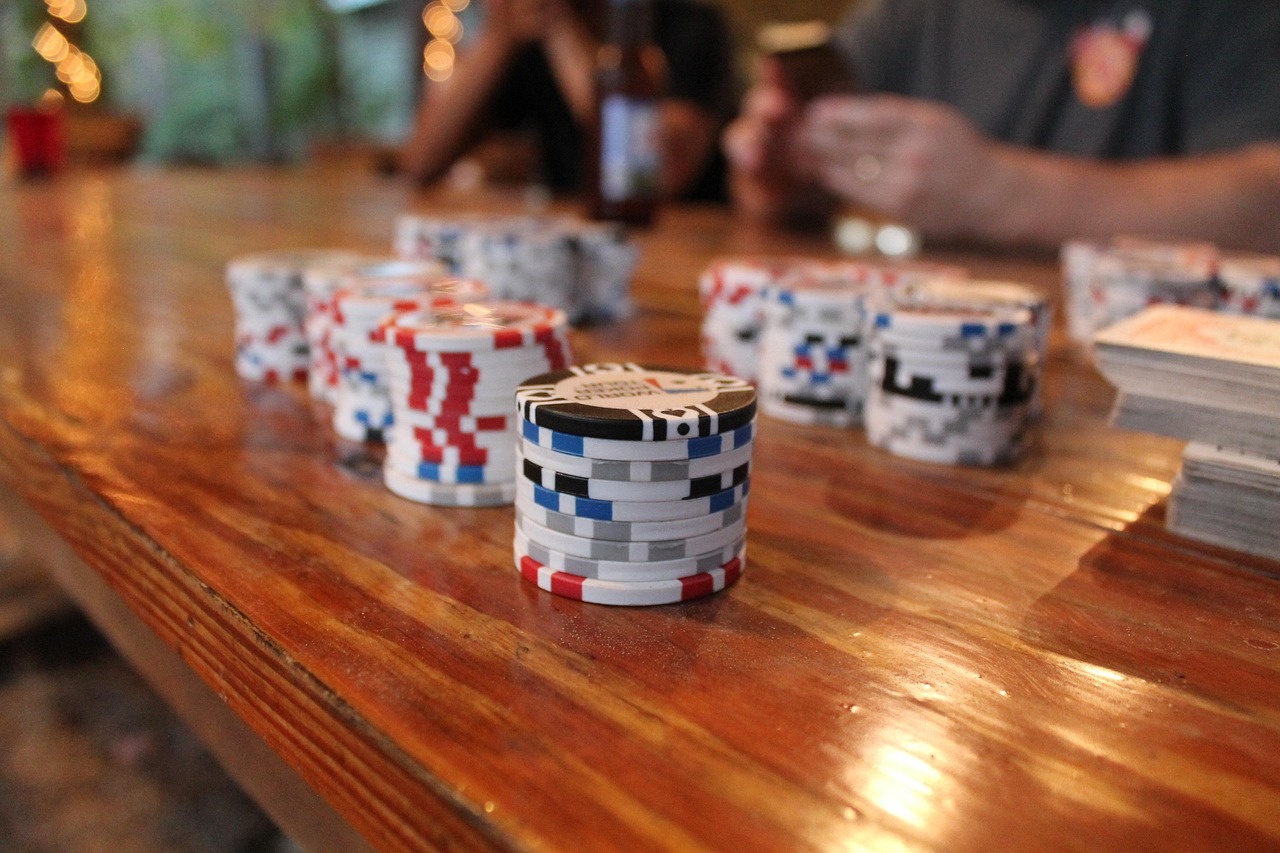
Put a slot player and a poker player at the same table and you'll quickly notice something odd: they're both gambling, but they're barely speaking the same language. One talks about variance like it's a minor inconvenience. The other treats it like the weather in London. Yet both keep coming back. That contradiction is worth unpacking, because understanding it changes how you approach every game you play.
Let me be blunt: most advice online about "being a smart gambler" is recycled fluff. This isn't that. Here's what actually separates the casual spinner from the guy who treats poker like a second job, and why slots remain the most popular casino product on earth despite that gap.
Slot players buy excitement, not odds
There's a well-worn statistic floating around that slots account for somewhere between 70 and 85 percent of casino floor revenue depending on the jurisdiction. That's not because slot players are naive. It's because they're buying a specific product: a fast, cheap, uninterrupted ride. A spin resolves in under two seconds. No waiting on opponents, no pressure to bluff, no one slow-rolling you while the clock ticks. For practical tips, check out hb88go.in.net.
The trade-off is simple and unforgiving. A typical video slot returns somewhere in the 92 to 96 percent range over millions of spins. That means a small house edge compounds endlessly because the player is running the game hundreds of times an hour. A $1 spin at 500 spins per hour puts $500 in motion every hour. At 95 percent RTP, that's an expected loss of about $25 an hour — quiet, steady, relentless.
What most players don't realize is how much volatility matters more than RTP in the short run. A high-volatility slot like a Megaways title can go 50 spins without a hit and then pay 400x. A low-volatility game like many classic 3-reel slots pays small, often, and boringly. Neither is "better." Choose based on your bankroll and how much suspense you actually want.
- High volatility: big hits, long dry spells — best for larger bankrolls
- Medium volatility: the middle ground most casual players should default to
- Low volatility: frequent small wins, ideal for stretching a small balance
Poker punishes you for the same impulses slots rewards
Now flip it. Poker is slow. A live cash game might deal 25 to 30 hands per hour. Online, depending on the format, you can push 300 or more. But here's the catch — speed doesn't create edge the way slot spins create exposure. It amplifies whatever edge you already have. If you're a losing player, playing faster just means losing faster.
The real question in poker isn't "will I win?" It's "am I making profitable decisions over and over?" That distinction is what produces the enormous gulf between winning and losing regs. A player with a win rate of 3 big blinds per 100 hands is genuinely good. Someone losing at 5bb/100 is genuinely leaking money. That eight-big-blind gap per hundred hands is the total distance between a solid grinder and someone who's donating.
Slots don't have this. You can't bluff a reels game. You can't read a tell on an RNG. Your only decisions are which machine, what stake, and when to walk away. In poker, every single hand is a decision tree branching hundreds of ways. That's the appeal — and the trap — for anyone coming over from spinning.
Where the two worlds actually collide
Here's the interesting part. The most successful cross-discipline players I've met treat the two games as serving different psychological needs and budget for them separately. They don't confuse the dopamine hit of a bonus round with the quiet satisfaction of a well-timed check-raise.
Some concrete rules from that mindset:
- Slots are entertainment spending, not bankroll building. Treat the stake like a movie ticket. Once it's gone, it's gone.
- Poker is a skill game with variance, not luck with cards. Judge your results over 10,000 hands, minimum. Anything less is noise.
- Never chase slot losses at a poker table. That's tilt wearing a nicer shirt.
- Set a session limit before you log in or sit down. The number you pick when calm is the one that actually matters.
One more data point: bonus terms. Slot bonuses usually carry wagering requirements from 20x to 50x. Poker bonuses are often cleared through rake contributions — sometimes taking tens of thousands of hands to release. Read the terms before assuming a balance is real. It often isn't.
The economics nobody wants to talk about
The casino industry doesn't hide its math; people just skip the chapter. Slot games are legally required to publish RTP in many regulated markets including the UK, Malta, and most EU jurisdictions. Poker rooms take a rake — usually 5 percent capped at a few dollars per pot — which means the game is essentially beatable only against weaker players, not against the house.
That structural difference explains everything. In slots, the house is your opponent and the math is fixed against you forever. In poker, the house is just the landlord, and your opponent is another human being who can be outplayed. One is a cost you accept. The other is a contest you can win.
Neither is noble. Both can be leisure. But conflating them — treating poker like a progressive jackpot or slots like a skill grind — is how bankrolls die quietly.
Final thought: play the game you're actually playing
If you're spinning reels, admit you're buying entertainment and set a price you're happy to pay for it. If you're playing poker, respect the grind, study the spots, and stop measuring yourself hand by hand. The players who get burned are almost never the ones who lost money. They're the ones who spent years playing one game while convinced they were playing the other. Pick your lane, learn its math, and the whole thing stops feeling random — even when the cards and reels insist otherwise.


Post a comment