


Setting Up a Balcony Garden for Small Spaces
Use vertical planters, lightweight compost, and wind-resistant pots. Grow herbs, salad leaves, and compact flowers even in a tiny outdoor area.

Read the space before you buy a single pot
Before you order anything, stand on your balcony at intervals through the day and note what actually happens there. Which direction does it face? A south-facing balcony in Leeds or London will bake from late morning until early evening, and the compost in a small pot can dry out in a single warm afternoon. A north-facing one stays cool and shaded, which rules out tomatoes and lavender but suits lettuce, chard, mint and parsley beautifully. East and west give you a half-day of sun, which is plenty for most herbs and salad crops.
Then think about wind. A gentle breeze at street level can feel like a gale three floors up, especially on a corner or a high floor. Watch how the wind moves across your space: it will almost always funnel along one side and batter one end. That corner is where you put your sturdiest pots and your toughest plants, not your sweet peas. Note, too, that balconies are often sheltered from rain by the balcony above, so you cannot rely on the weather to water for you.
Weight and safety come before style
This is the bit most people skip. Wet compost is heavy: a 40 cm pot holding 25 litres of compost will weigh something like 25 to 30 kg once it has been watered and the plant has grown. Line up a dozen of those along one edge and you have added a small car's worth of load to a structure that may be a timber deck or a concrete slab on brackets.
Check your tenancy or lease first if you rent or own a flat, and be sensible about placement. Push heavier pots back towards the wall the balcony is fixed to, where the load is best supported, and keep the outer edge for light planters. Stand pots on feet or risers so water drains freely and air can move underneath. Never hang pots on the outside of a street-facing railing or over a public pavement, and secure anything that could be blown off. A pot that topples onto a car below is a serious matter, not an inconvenience.
Choose pots that stand up to wind
For a balcony, plastic, resin and fibreglass pots beat terracotta on almost every count: lighter, frost-proof and far less likely to shatter. If you love the look of terracotta, use it in a sheltered corner for something small and keep the rest lightweight. Fabric grow bags are excellent for salad and potatoes, and they fold away in winter.
Whatever you choose, look for a wide base and a low centre of gravity — tall, narrow pots tip in a gust. Weight the bottom of flimsy planters with a layer of gravel, or wedge them between sturdier neighbours. Railing planters should sit inside the railing and be fixed with brackets or cable ties as well as hooked over the top. If you use a freestanding shelving unit or tiered staging, fix it to the wall if you possibly can, and put the heaviest pots on the lowest shelf.
Compost: go light, feed often
Fill your pots with peat-free multipurpose compost rather than anything you have dug from the garden. Garden soil is heavy, compacts in containers and brings weeds and pests with it. To keep the weight down and improve drainage, mix in about a quarter by volume of perlite or vermiculite. For long-term plants such as rosemary or a small bay tree, a loam-based compost holds nutrients better, but it is heavier, so reserve it for a few larger pots rather than the whole collection.
Because compost in containers runs out of food quickly, plan to feed. Mix a slow-release fertiliser into the compost at planting time, then start liquid feeding from around June, when plants are growing hard. Balcony plants also dry out fast, so check the top couple of centimetres of compost daily from April onwards and water until it runs out of the drainage holes. In hot spells you may need to water morning and evening.
Grow upwards with vertical planters
When floor space is measured in centimetres, the walls and railings are your real estate. Wall-mounted fabric pockets, stackable vertical planters and simple trellis panels multiply what you can grow without adding weight to the floor. A trellis against a sheltered wall will carry climbing nasturtiums, sweet peas or a compact climbing bean. Tension poles between floor and ceiling work well for taller growers, provided they are properly seated.
Use the height to create your own microclimate, too. Put sun-hungry herbs such as thyme, oregano and basil on the top tier, where light is strongest, and tuck shade-tolerant salad leaves and mint underneath. Shelving does double duty as a windbreak for whatever sits below it.
What to sow and plant in spring
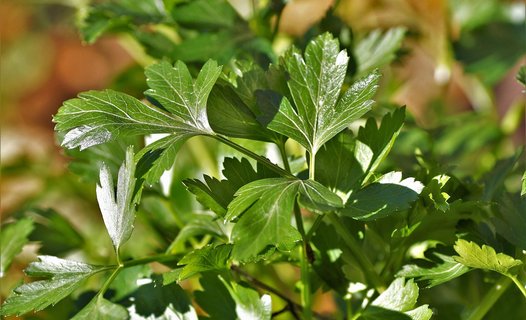
Start with crops that earn their space. Herbs are the obvious win: chives, mint, parsley, thyme, sage and rosemary all thrive in pots, and you will use them constantly. Add basil once nights are reliably warm.
- Salad leaves: sow rocket, mizuna, and loose-leaf lettuces little and often from March onwards for a cut-and-come-again supply. A windowsill tray in early spring, moved outside in April, keeps you picking sooner.
- Herbs: buy small plants rather than seed for woody herbs, which are slow to establish. Mint is best in its own pot, or it will take over.
- Compact flowers: nasturtiums, calendula, pansies, dwarf cosmos and trailing calibrachoa all stay manageable in containers and bring pollinators in.
- Quick wins: radishes, spring onions and dwarf peas such as a compact round-podded variety crop fast in a small space.
Wait until the risk of frost has passed before moving tender plants outside — usually mid-May in southern England and late May or early June further north. Harden them off over a week by putting them out in the day and bringing them in at night. Then keep sowing small amounts every few weeks, because succession sowing, more than any gadget, is what keeps a tiny balcony productive right through to autumn.

Post a comment