


Mindful Walking: How to Notice Seasonal Changes
Take a short route without headphones and focus on birdsong, new leaves, and weather. Slow breathing turns an ordinary walk into a calming practice.

Why the Same Short Route Works Best
Mindful walking is not about covering ground. It is about returning to the same ground and finding it different every time. Pick a loop you could walk in your sleep: the lane behind the allotments, the towpath stretch between two bridges, the ten minutes from your front door to the park gate and back. Fifteen to twenty minutes is plenty.
Because the route is familiar, your attention has nothing to work out. No map, no decisions, no wondering what is round the next corner. That frees up the part of your mind that notices things, and in spring there is a great deal to notice.
Walk at roughly three-quarters of your normal pace. If you arrive home feeling slightly under-exercised, you have got it about right.
Leave the Headphones at Home
This is the single change that matters most. Podcasts, playlists and phone calls fill exactly the space you are trying to open. Put your phone in a pocket, on silent, and resist the urge to check it. If you use a step counter, start it before you leave the house and forget about it until you get back.
For the first few minutes your head will be noisy. You will be mentally writing a shopping list or replaying a conversation from yesterday. That is normal and it is not failure. Do not fight it. Keep walking slowly, keep your eyes on the hedge and your ears open, and the chattering will quieten on its own.
Listen First: Spring Birdsong in Order of Arrival
Sound is the easiest way in, because it arrives without any effort from you. British spring has a rough running order, and once you know it, you can hear the season advancing week by week.
- Great tit — the two-note "teacher-teacher" starts in late winter. Think of it as the first announcement that the year is turning.
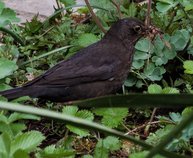
- Blackbird and song thrush — singing from February, at dawn and again at dusk. The thrush repeats each phrase two or three times; the blackbird rarely does.
- Robin — sings all year, but in spring the notes come out fuller and more confident than the thin winter version.
- Chiffchaff — arrives in March and sings its own name in a steady, round rhythm, usually high up. If you hear it, spring is properly underway.
- Swallows, house martins and swifts — late April into May. Swifts screaming over rooftops means spring is nearly spent.
- Cuckoo — mid-April onwards in the countryside, and increasingly rare, so worth a note if you hear one.
Try this: stand still for one minute and count how many distinct songs you can pick out. Walk on for a few minutes, stop again, and repeat. The numbers change with the time of day and the weather.
Read the Leaves, Not Just the Flowers
Blossom gets all the attention, but leaves tell you more. Look at a hedgerow properly and you will see the green tide moving up the stems week by week.
- Hazel catkins — the lambs' tails of January and February, hanging before anything else stirs.
- Hawthorn — leaves first, then the May blossom. The new leaves are a pale, translucent green you only get for a fortnight, and once you can name it you will see it everywhere.
- Ash and oak — note which comes into leaf first. Old country saying: ash before oak, we're in for a soak; oak before ash, we're in for a splash.
- Verges — nettles, cleavers and cow parsley rising in height. Mark how tall the grass is against a gatepost or a wall.
If you garden, this is your cue sheet. When the first pale hawthorn leaves open, the soil is usually warm enough to harden off seedlings and sow hardy annuals outside. When the cow parsley is up to your knees, the risk of a hard frost has mostly passed in milder parts of the country.
Let the Weather Land on You
Most of us spend the day screened from the weather: heated houses, car windscreens, a hood up against the drizzle. A mindful walk asks you to drop the screen for twenty minutes. British spring will throw sun, hail, warm rain and a cold north wind at you in a single outing, and that variety is the point.
Ask yourself simple questions as you go. Which side of my face is the wind touching? Is the rain cold or mild? Does the air smell of wet earth after a shower? Notice where the sun falls on a wall and how much warmer that spot is. Dress so you can stay out comfortably: thin layers you can shed, a light waterproof, and gloves still worth having in March. Cold mornings and frost pockets in valley bottoms are normal well into April.
Breathe With Your Feet
Here is the calming part, and it costs nothing. Match your breathing to your steps. Breathe in over four steps, then out over six. If six feels like a stretch, use five. Keep the count silent and loose, not rigid.
The long out-breath is what settles you. It slows the heart rate and softens the shoulders without you having to think about relaxing. Do it for two minutes, then let your breathing return to whatever it wants to be. Repeat whenever you fancy, perhaps on the homeward half of the walk. If you feel light-headed, stop counting and breathe normally. This is a pleasant habit, not a test.
Keeping It Going Through the Year
Spring is the easy season to start, because everything is shouting. The trick is to keep the same route going once the excitement fades. Keep a single line in a notebook or a phone note each time: 17 March, first chiffchaff, hawthorn bud-burst on the church lane. Within a year you will have a record of your own patch that no book can give you.
Fit the walk into a slot you already have: after the school drop-off, at lunchtime, or as the first thing you do when you get home. Ten minutes genuinely counts. And when winter comes and the same walk looks bare and brown, you will find there is still plenty to see, because by then you have taught yourself how to look.
Post a comment